Meutya Hafid Sets Out Three Steps as a US Licence Rule and a Reported Nvidia Halt Hit AI Server Shipments to Indonesia
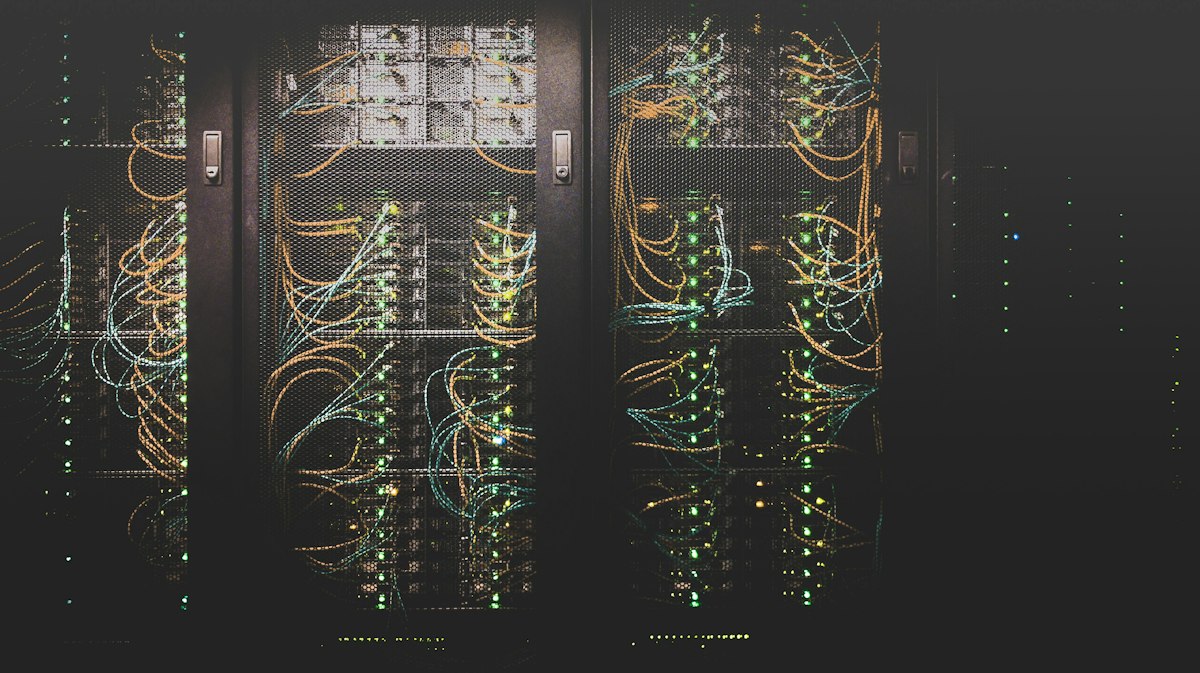
Communication and Digital Affairs Minister Meutya Hafid said on Friday, November 27, that the government has prepared three measures in response to tighter US export controls on AI chips and servers, ANTARA News reported. The US Bureau of Industry and Security issued an interim final rule on November 16 that requires licences for exports of certain AI chips and servers to Indonesia, Malaysia, Singapore, Thailand and Brazil; CNBC Indonesia reported that it took effect on November 19. “We understand this rule may create short-term uncertainty for companies building AI infrastructure and data centers,” Meutya said, adding that most AI services the public uses, such as content and product recommendation systems, fall outside its scope.
The minister stressed that covered exports are still possible, although each licence is reviewed case by case. The government’s first step is to coordinate ministries and agencies around a unified national position. The second is to keep enforcing regulations and strengthen governance to stop digital infrastructure from being misused. “Indonesia does not tolerate the misuse of digital infrastructure in the country,” she said, urging data centre operators to know who their customers are and what they use computing resources for, principles the ministry calls Know Your Customer and Know Your Customer’s Workload. The third is constructive dialogue with US authorities to clarify licensing so that compliant Indonesian companies can still get the technology they need.
What it means in practice

The statement came a day after reports, based on a Financial Times story cited by Engadget, that Nvidia had stopped shipments of AI server hardware to Indonesia, Malaysia, Singapore and Thailand after partners including Dell and Supermicro told clients their orders could not be sent. The ministry said it had not received direct official notification from the companies involved. The scrutiny follows earlier reports that Polri would look into claims that Nvidia chips were smuggled to China through Indonesia, which help explain why Washington is watching the region.
Meutya also told CNBC Indonesia that Komdigi may draft a broader data centre regulation covering design and location, arguing that new sites should follow national needs and energy availability rather than deals struck directly with regional governments. That fits the ministry’s push to spread AI data centres beyond Java. State utility PLN says the queue of data centre requests for power has reached 30 gigawatts. What to watch is how quickly US licences are granted, whether the server halt is temporary, and how strictly Komdigi enforces the customer checks.